
The Hidden Dangers of Small Plumbing Leaks and Their Lasting Impact
Small plumbing leaks often go unnoticed in many homes. A tiny drip here, a slow trickle there—these minor issues seem harmless at first. Yet, over time, they quietly cause significant damage that can lead to costly repairs and health risks. Understanding why these small leaks matter and how to spot them early can save homeowners from unexpected headaches.
Why Small Leaks Are More Serious Than They Appear
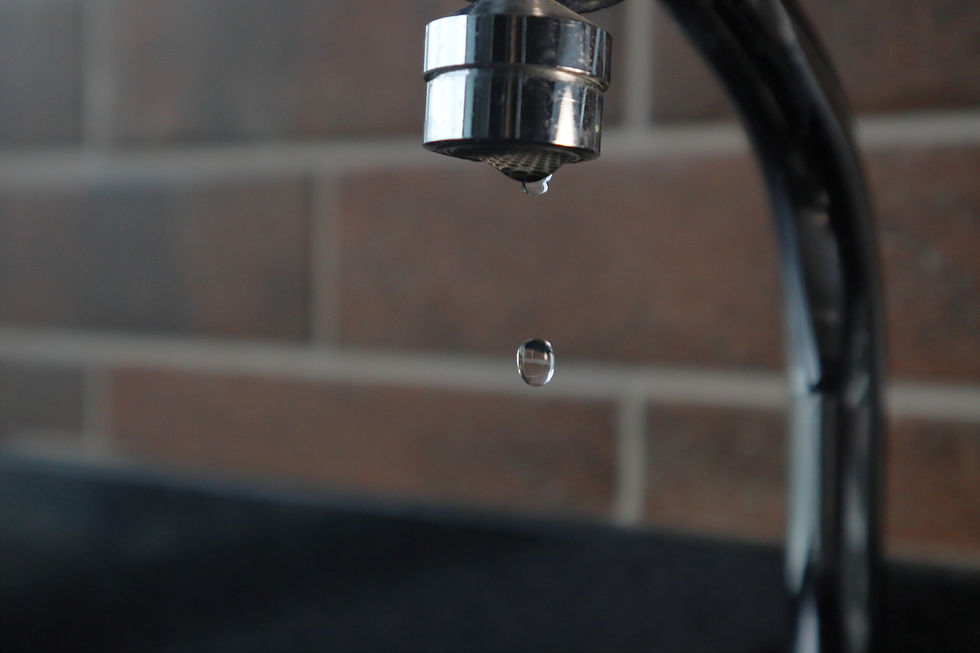
A leak that seems minor can waste gallons of water daily. For example, a faucet dripping once per second can waste over 3,000 gallons per year. This not only inflates your water bill but also puts unnecessary strain on local water resources.
Beyond water waste, persistent leaks can cause:
Structural damage: Water seeping into walls, floors, or ceilings weakens wood and drywall, leading to rot and costly repairs.
Mold growth: Damp areas create ideal conditions for mold, which can cause allergic reactions and respiratory problems.
Damage to belongings: Water stains, warped flooring, and ruined furniture often start from unnoticed leaks.
Electrical hazards: Water near electrical wiring increases the risk of short circuits and fires.
Because these effects develop slowly, homeowners may not connect the dots until the damage becomes severe.
Common Sources of Small Leaks in the Home
Leaks can occur in many places, often hidden from plain sight. Some common sources include:
Faucets and showerheads: Worn washers or seals cause slow drips.
Toilet tanks and bowls: Faulty flappers or cracked tanks lead to continuous water flow.
Under sinks: Loose or corroded pipes drip quietly inside cabinets.
Water heaters: Pressure relief valves or tank corrosion cause slow leaks.
Appliance connections: Washing machines, dishwashers, and refrigerators with water lines may develop leaks at hoses or fittings.
Regularly inspecting these areas helps catch leaks early.
How to Detect Small Plumbing Leaks Early
Detecting small leaks requires attention to subtle signs. Homeowners can take these steps:
Monitor water bills: A sudden increase without added usage suggests a leak.
Listen for dripping sounds: Quiet drips often go unnoticed but can be heard in a silent room.
Check water meter: Turn off all water and watch the meter; movement indicates a leak.
Inspect visible plumbing: Look under sinks and around appliances for moisture or corrosion.
Look for water stains: Discoloration on walls, ceilings, or floors signals hidden leaks.
Use leak detection tools: Moisture meters or infrared cameras can find leaks behind walls.
Early detection prevents damage and saves money.
What Homeowners Can Do to Prevent Leak Damage
Prevention is the best strategy. Homeowners should:
Fix leaks promptly: Even small drips need repair to avoid escalation.
Replace old fixtures: Aging faucets, valves, and pipes are more prone to leaks.
Maintain appliances: Regularly check hoses and connections on washing machines and dishwashers.
Control water pressure: High pressure stresses pipes and joints, increasing leak risk.
Install water sensors: Devices placed near potential leak points alert homeowners quickly.
Schedule professional inspections: Plumbers can identify hidden issues during routine maintenance.
Taking these steps reduces the chance of leaks causing long-term problems.
Real-Life Examples of Small Leak Consequences
Consider a homeowner who ignored a slow drip under the kitchen sink. Over months, water seeped into the cabinet wood, causing it to swell and rot. Eventually, the leak spread behind the wall, leading to mold growth that required expensive remediation.
In another case, a leaking toilet flapper caused continuous water flow. The homeowner noticed a spike in the water bill but delayed repair. The constant water pressure damaged the bathroom floor, requiring replacement.
These stories highlight how small leaks quietly create major expenses.
When to Call a Professional Plumber
Not all leaks are easy to fix. Homeowners should seek professional help if:
The leak is inside walls or ceilings.
Water damage is extensive or mold is present.
Repairs require pipe replacement or complex tools.
The source of the leak is unclear after inspection.
Water pressure issues persist despite adjustments.
A licensed plumber can provide thorough diagnosis and safe repairs.


Comments